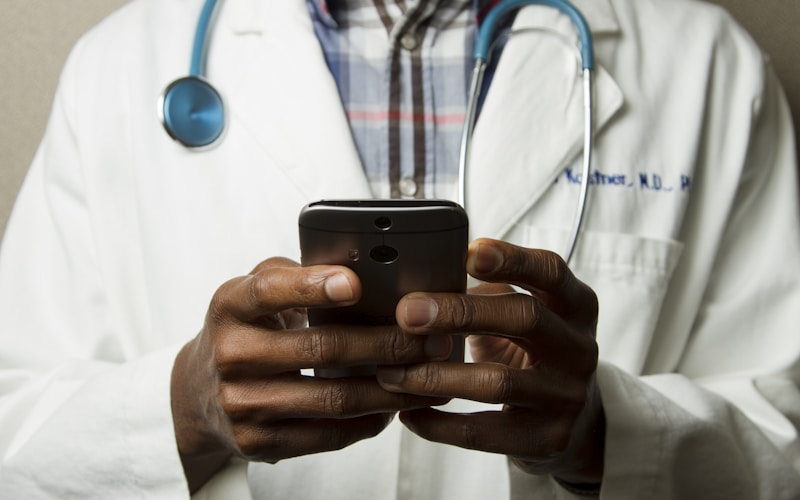
Key technology trends shaping the future of digital health and patient care, from AI diagnostics to interoperability standards and remote patient monitoring.
The healthcare technology landscape is undergoing its most significant transformation in decades. From AI-powered diagnostics to interoperable electronic health records, the tools and platforms we build today will define how patients receive care for the next generation.
AI in Medical Diagnostics
AI is making significant inroads in medical imaging analysis, pathology, and clinical decision support. FDA-cleared AI algorithms can now detect certain conditions with accuracy comparable to specialist physicians, particularly in radiology and dermatology.
The key challenge is integration into clinical workflows. The most successful AI diagnostic tools augment physician decision-making rather than replacing it, providing a "second opinion" that catches cases that might otherwise be missed.
Interoperability & FHIR
The HL7 FHIR (Fast Healthcare Interoperability Resources) standard is finally reaching mainstream adoption. CMS regulations now require healthcare organizations to provide patients access to their data through standardized APIs.
For healthtech startups, building on FHIR from the start dramatically reduces integration costs and time-to-market when connecting with health systems. The SMART on FHIR framework enables plug-and-play applications that work across any FHIR-compliant EHR system.
Remote Patient Monitoring
Remote patient monitoring (RPM) exploded during COVID-19 and continues to grow as reimbursement models evolve. Connected devices, glucose monitors, blood pressure cuffs, pulse oximeters, generate continuous data streams that enable proactive care management.
The future of healthcare is continuous monitoring, not episodic visits. RPM bridges the gap between appointments and enables truly data-driven care.
Digital Mental Health
Digital mental health platforms are addressing the massive gap in mental healthcare access. Apps providing cognitive behavioral therapy (CBT), meditation, crisis support, and peer communities are reaching populations that traditional mental health services cannot.
Telemedicine Platform Development
Telemedicine has evolved from a pandemic necessity to a permanent fixture in healthcare delivery. Modern telemedicine platforms need to support video consultations, secure messaging, appointment scheduling, prescription management, and integration with existing EHR systems.
Key technical requirements for telemedicine platforms include:
- HIPAA-compliant video infrastructure with end-to-end encryption
- Real-time appointment scheduling with timezone awareness
- Secure patient portals for document sharing and messaging
- EHR integration via FHIR APIs for seamless data exchange
- Mobile-first design for accessibility across patient demographics
HIPAA & Compliance
HIPAA compliance remains the foundational requirement for any US healthcare technology. Key areas include encryption at rest and in transit, access controls with audit logging, BAA (Business Associate Agreements) with all vendors who handle PHI, and regular security risk assessments.
Cloud providers now offer HIPAA-eligible services, but compliance is a shared responsibility. The cloud provider secures the infrastructure; you're responsible for configuring it correctly and managing access appropriately.
Frequently Asked Questions
What does it take to build a HIPAA-compliant application?
HIPAA compliance requires encryption at rest and in transit, role-based access controls, comprehensive audit logging, signed BAAs with all vendors handling PHI, and regular security risk assessments. Start with HIPAA-eligible cloud services and build your compliance framework from there.
What is FHIR and why does it matter for healthtech?
FHIR (Fast Healthcare Interoperability Resources) is the modern standard for healthcare data exchange. It enables different health systems to share patient data through standardized APIs, which is essential for any healthtech product that needs to integrate with hospitals or clinics.
How is AI being used in healthcare software today?
AI is used for medical imaging analysis, clinical decision support, automated documentation, predictive patient risk scoring, and personalized treatment recommendations. The most successful implementations augment clinicians rather than replace them.
Written by
Dr. Fatima Hassan
Healthtech Consultant